Our Training Areas

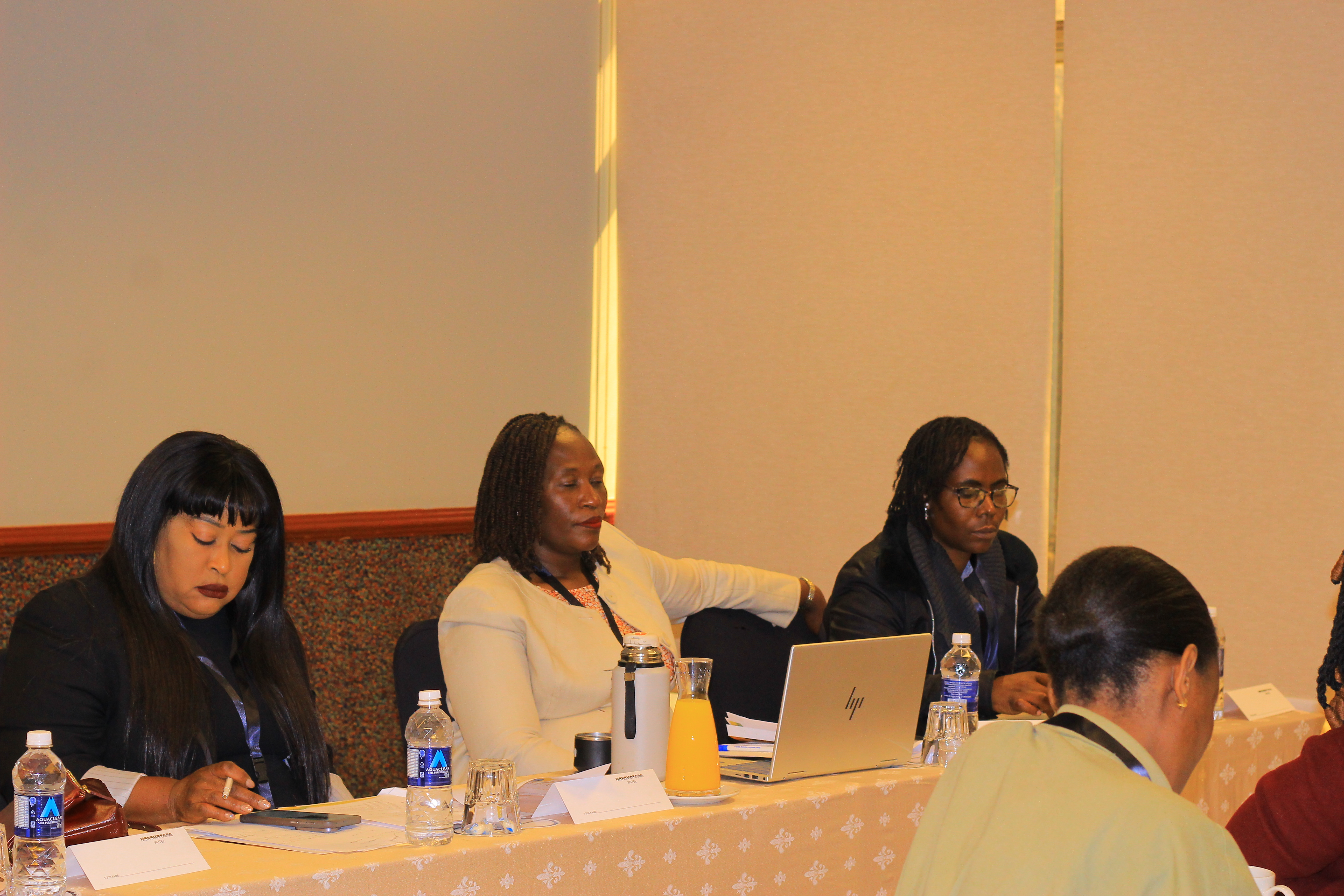
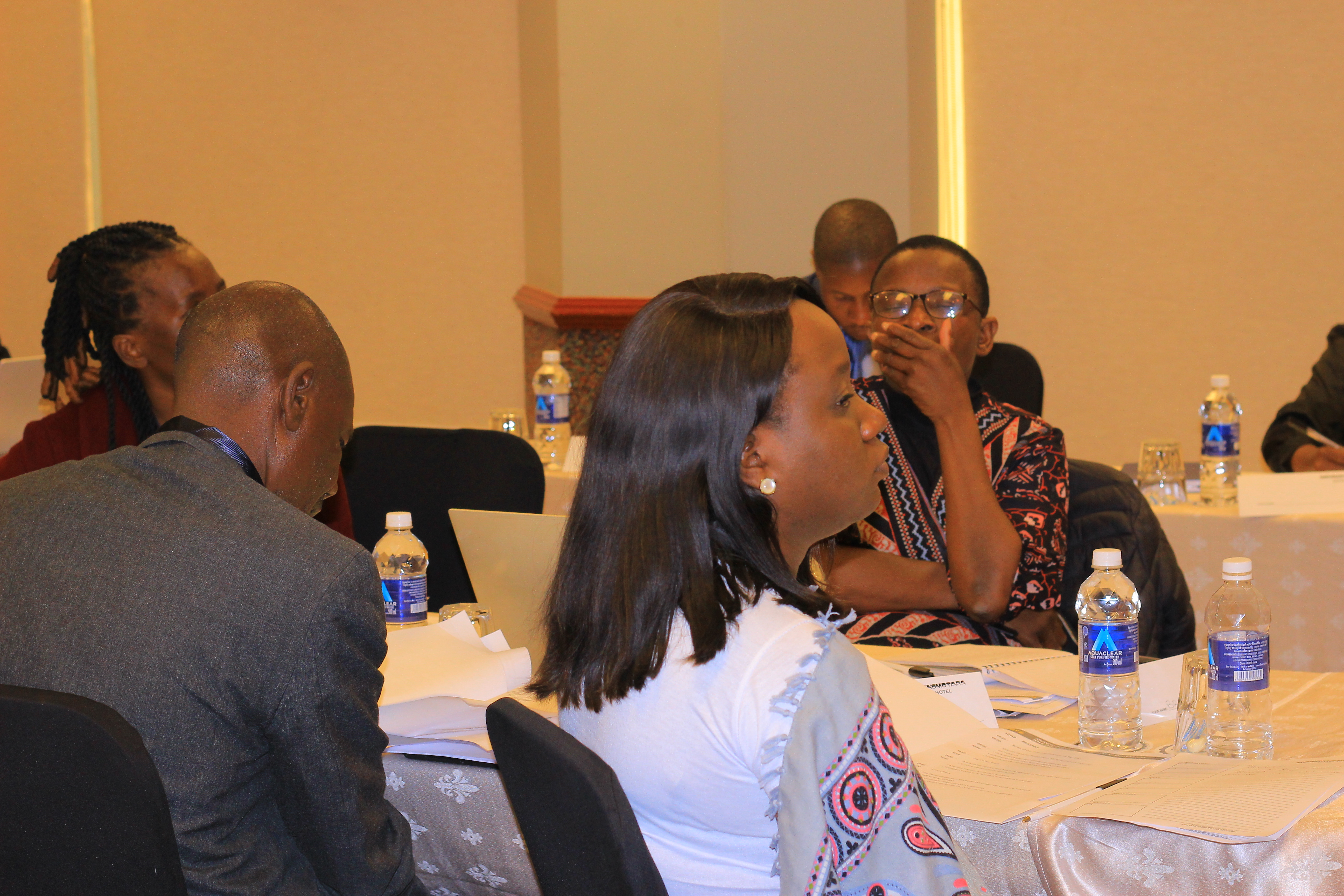
We train your teams—we don’t do the work for you. Build in-house capacity in records management, digitization, archiving, and information governance across Africa.

From records management and document digitization to secure destruction and EDRMS, our courses equip professionals to plan, run, and sustain best practice in their own organisations.

Records Management & Consultancy Practice

Learn how to design and run effective records management programmes in your organisation.

Our training equips records managers, registry staff, and compliance officers with the skills to establish and maintain records management programmes from the ground up. Participants learn how to develop policies, design classification schemes, create retention schedules, and align programmes with legislation and regulatory expectations. We cover governance models, registry modernisation, and how to present the business case for records management to leadership—so you can drive change in your own institution.

  • Records management policy development and implementation
  • Designing records classification and file plans
  • Building and maintaining retention schedules
  • Information governance frameworks and accountability
  • Registry modernisation and workflow design
  • Records lifecycle management in practice
  • Compliance, audits, and regulatory readiness
Training details →

Document Digitization: Planning & Execution

Train your team to plan, run, and quality-assure digitization projects.

We train institutions to develop digitization strategies, understand the importance of going digital, and implement projects step by step. Our courses cover how to scope digitization projects, choose equipment and software, set imaging and metadata standards, and manage quality control. Participants learn workflows for bulk scanning, OCR, indexing, and integration with existing systems—including practical considerations for power, connectivity, and handling fragile originals in African contexts.

  • Scoping and planning digitization projects
  • Selecting scanners, software, and imaging standards
  • Bulk scanning workflows and quality checks
  • OCR and searchable digital formats
  • Metadata, indexing, and findability
  • Handling books, maps, and fragile materials
  • Integrating digitized records with EDRMS and archives
Training details →

Electronic Document & Records Management Systems (EDRMS)

Learn how to select, configure, and roll out EDRMS in your organisation.

Our training prepares IT and records teams to evaluate, implement, and sustain electronic document and records management systems. Participants learn how to gather business requirements, design taxonomies and metadata, configure security and workflows, and drive user adoption. We cover version control, access management, audit trails, and how to align EDRMS with compliance and information governance—so your organisation can manage digital records effectively without depending on external vendors for day-to-day operations.

  • Requirements gathering and vendor evaluation
  • Taxonomy, classification, and metadata design
  • Configuring repositories and security
  • Document workflows and approval processes
  • Version control and retention in EDRMS
  • User adoption and change management
  • Audit trails and compliance reporting
Training details →

Digital Archiving & Long-Term Preservation

Train staff to preserve and provide access to digital archives over time.

We train archivists, librarians, and records officers to build and maintain digital archives that protect institutional and cultural heritage for decades. Participants learn how to identify records of enduring value, choose preservation formats and storage strategies, apply metadata and cataloguing standards, and plan for format migration and access. The focus is on in-house capability: how to create and run digital archives and preservation workflows without outsourcing the core work.

  • Appraisal and selection for digital archives
  • Preservation formats and storage strategies
  • Metadata standards and cataloguing for archives
  • Long-term preservation planning and migration
  • Access models and discovery for digital collections
  • Digital asset management in archival contexts
Training details →

Physical Records & Registry Management

Learn how to organise, track, and manage paper-based records and registries.

Many African organisations still rely on paper. Our training teaches registry staff and records officers how to design and run efficient physical records systems: filing schemes, reference numbers, tracking, and retrieval. Participants learn inventory and appraisal, file classification, registry reorganisation, and how to introduce barcode or simple tracking tools. We also cover when and how to prepare for digitization or off-site storage so that physical and digital practices work together.

  • Records inventory and appraisal methods
  • File classification, indexing, and reference numbering
  • Registry organisation and space layout
  • File tracking and retrieval procedures
  • Barcode and basic tracking systems
  • Preparing physical records for digitization or storage
Training details →

Off-Site Storage & Records Logistics

Train teams to manage secure off-site storage and retrieval operations.

We train staff responsible for inactive and semi-active records on how to design and operate off-site storage programmes. Participants learn how to select or evaluate storage facilities, implement barcode tracking and retrieval systems, manage transport and chain-of-custody, and define retention and disposition procedures. The training covers climate and security requirements, scan-on-demand options, and how to integrate off-site storage with in-house registries and compliance—building your organisation’s ability to run storage operations rather than only buying the service.

  • Designing off-site storage programmes
  • Facility selection and contract considerations
  • Barcode tracking and retrieval workflows
  • Chain-of-custody and transport procedures
  • Retention and disposition from storage
  • Scan-on-demand and hybrid physical/digital access
Training details →

Secure Document Destruction & Disposal

Learn how to plan and oversee secure, compliant destruction of records.

We train institutions to design and manage secure destruction programmes: why it matters, how to plan workflows, and how to stay compliant. Participants learn how to identify records due for disposal, design destruction workflows, select and supervise vendors, and ensure chain-of-custody and certificates of destruction. We cover paper shredding standards, destruction of digital media, environmental and recycling considerations, and alignment with data protection and audit requirements.

  • Retention and disposal scheduling
  • Planning secure destruction workflows
  • Shredding standards and vendor oversight
  • Chain-of-custody and certificates of destruction
  • Destruction of digital media (drives, USBs, etc.)
  • Compliance, audit trails, and data protection
  • Environmental and recycling best practice
Training details →

Information Governance & Data Protection

Build skills to design and implement governance and data protection frameworks.

Our training helps compliance officers, records managers, and IT leads to build information governance and data protection capability inside their organisations. Participants learn how to conduct risk assessments, draft policies and procedures, design privacy controls, and run awareness programmes. We cover alignment with data protection laws, handling personal and sensitive data, and how to balance access with security—so your team can own governance rather than relying solely on external consultants.

  • Information governance frameworks and roles
  • Data protection laws and compliance
  • Risk assessment and information audits
  • Policy design and implementation
  • Privacy by design and handling personal data
  • Awareness and training for staff
Training details →

Disaster Recovery & Records Continuity

Train staff to protect records and plan for recovery after disasters.

We train teams to prepare for and respond to events that threaten records—fire, flood, theft, or cyber incidents. Participants learn how to identify critical records, develop disaster recovery and business continuity plans, design backup and recovery procedures, and define roles and actions for emergencies. The focus is on building in-house capacity to protect information assets and restore access, so your organisation can recover without depending only on external responders.

  • Identifying and prioritising critical records
  • Disaster recovery and business continuity planning
  • Backup strategies and recovery procedures
  • Emergency response roles and communication
  • Testing and maintaining recovery plans
Training details →

Training & Capacity Building Methods

Learn how to design and deliver records and information management training.

For those who train others: we offer train-the-trainer and capacity-building methods so your organisation can sustain skills internally. Participants learn how to design curricula, develop materials, deliver workshops, and evaluate learning. We cover adult learning principles, blending theory with African case studies, and building communities of practice so that records and information management capability grows from within your institution or sector.

  • Designing training programmes and curricula
  • Developing materials and practical exercises
  • Delivery and facilitation skills
  • Assessment and evaluation of learning
  • Building internal capacity and champions
  • Communities of practice and peer support
Training details →

View Training Calendar Enquire About Training